International supply
Supplier collection, cargo readiness and delivery to the agreed destination.
You are on this page
We arrange international delivery, plan the route and coordinate supplier collection and destination handover. Weight, dimensions, packaging and target timing guide the transport choice.

Dimensions, packaging, securing and document readiness define how the cargo can pass through the following transport stages.
We help organise the full shipment journey: who collects it, where handovers happen and how it is received at destination.
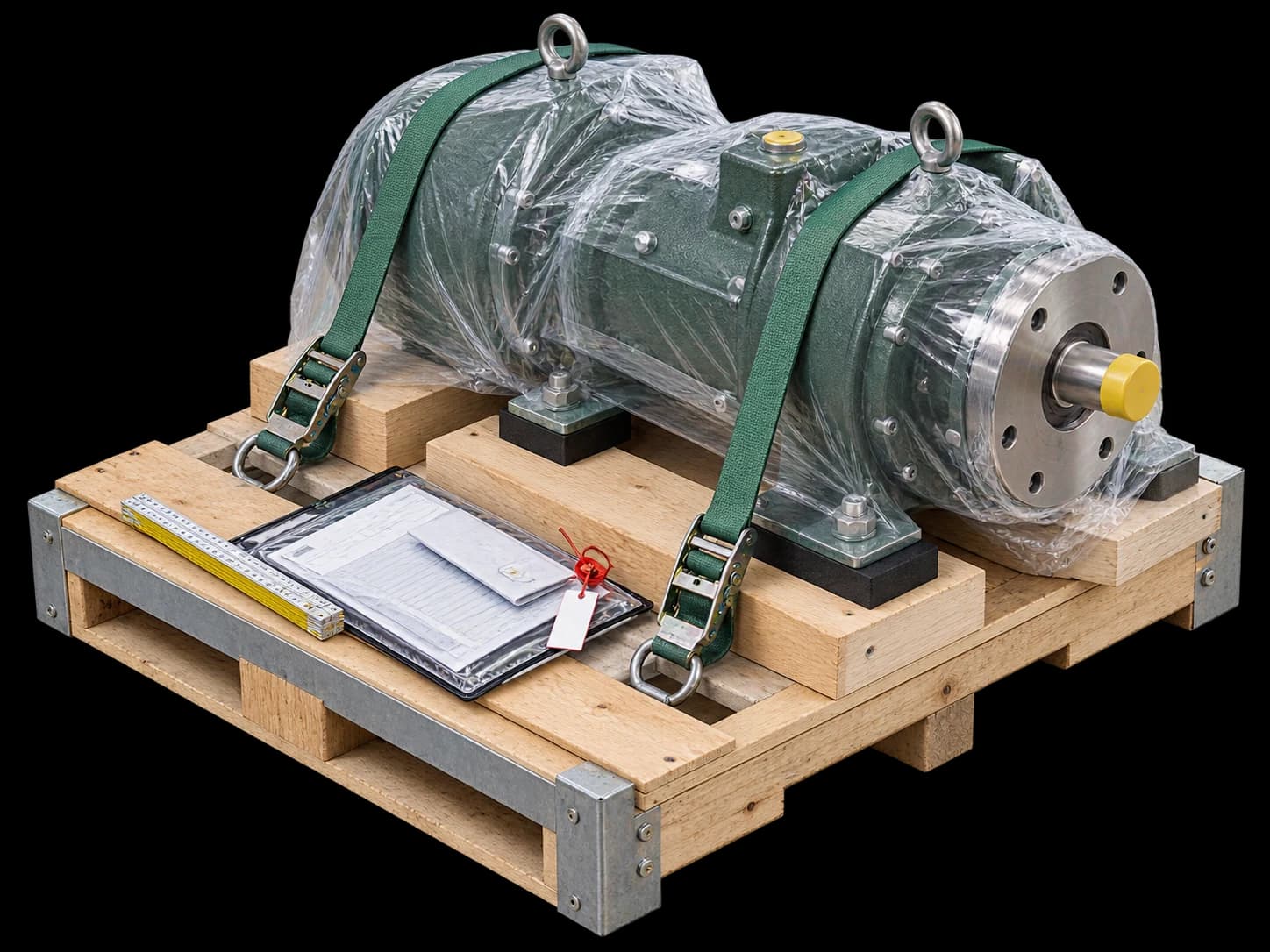
The same origin and destination countries do not automatically produce the same route. The supplier address, package dimensions and weight, collection terms, timing, carrier options and final-site constraints all affect the choice.
Commercial readiness, the document set and physical movement must remain aligned. If a package size, readiness date or handover address changes, the route and all subsequent stages are reviewed together.
Approximate data is enough to identify constraints. Before transport is booked, the key cargo, packing and handover parameters must be confirmed.
Product scope, quantity, purpose and features affecting handling or documents.
Country, city, loading address, current readiness and working contact.
Packages, weight, dimensions, packing, marking and special conditions.
Country, city, final address and access or last-mile constraints.
Expected readiness, target arrival and available commercial or packing files.
Four practical questions need answers before dispatch.
Gather the shipment description, warehouse address and contact responsible for handover.
Request packed measurements, the readiness date and loading arrangements from the supplier.
Compare carrier offers against the final address, costs and receiving conditions.
Identify who confirms collection, departure and delivery, and who needs to know when plans change.
Materials are prepared within the agreed scope of work to support decisions and make the current project status clear.
A summary of the goods, parties, addresses and timing.
A preliminary route with transfers and handover points.
A document and readiness list for each stage.
Control events and responsible participants.
Which materials does your project need?
Discuss a projectThey are enough for an initial estimate. Confirmed weight, package dimensions, packing and the batch readiness date are required before transport can be agreed.
No. The transport sequence follows the goods, geography, timing, carrier quotations and handover conditions—not a desire to add more legs.
After minimum inputs are received and the questions materially affecting goods, documents, route and responsibility are resolved.