Unusual size or weight
A model name and catalogue weight are not enough to select transport.
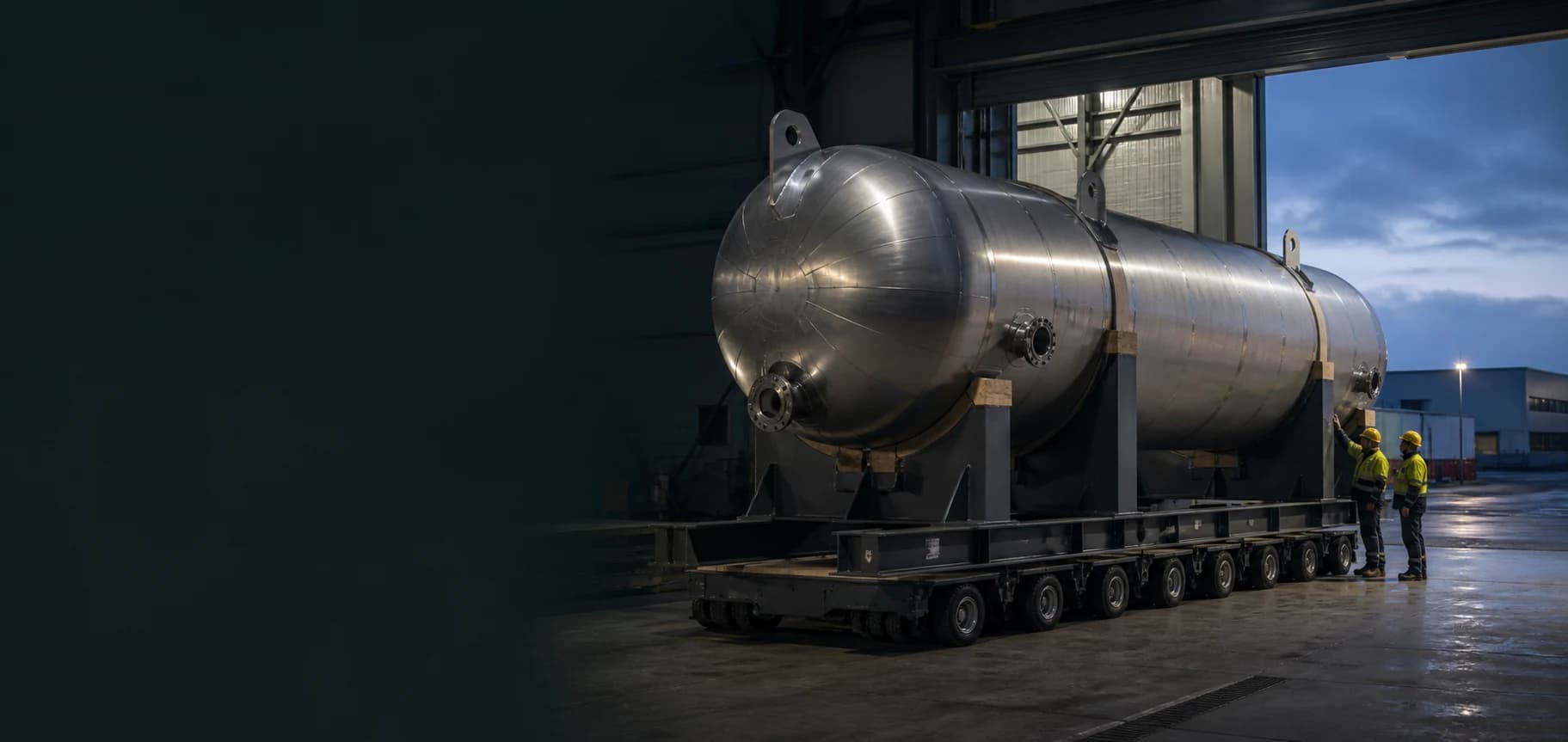
We help prepare international supply of heavy assemblies and non-standard units. We collect manufacturer data, connect the supplier with the carrier and receiving site, and coordinate handover arrangements.
From factory readiness to receipt at your site.
A model name and catalogue weight are not enough to select transport.
The main assembly, separate units and accessories need one coordinated supply plan.
Before dispatch, establish who will receive and unload the cargo, and under what conditions.
Catalogue weight may differ from packed shipment weight. We collect transport-configuration data, distinguishing manufacturer-confirmed information from details still awaiting clarification.
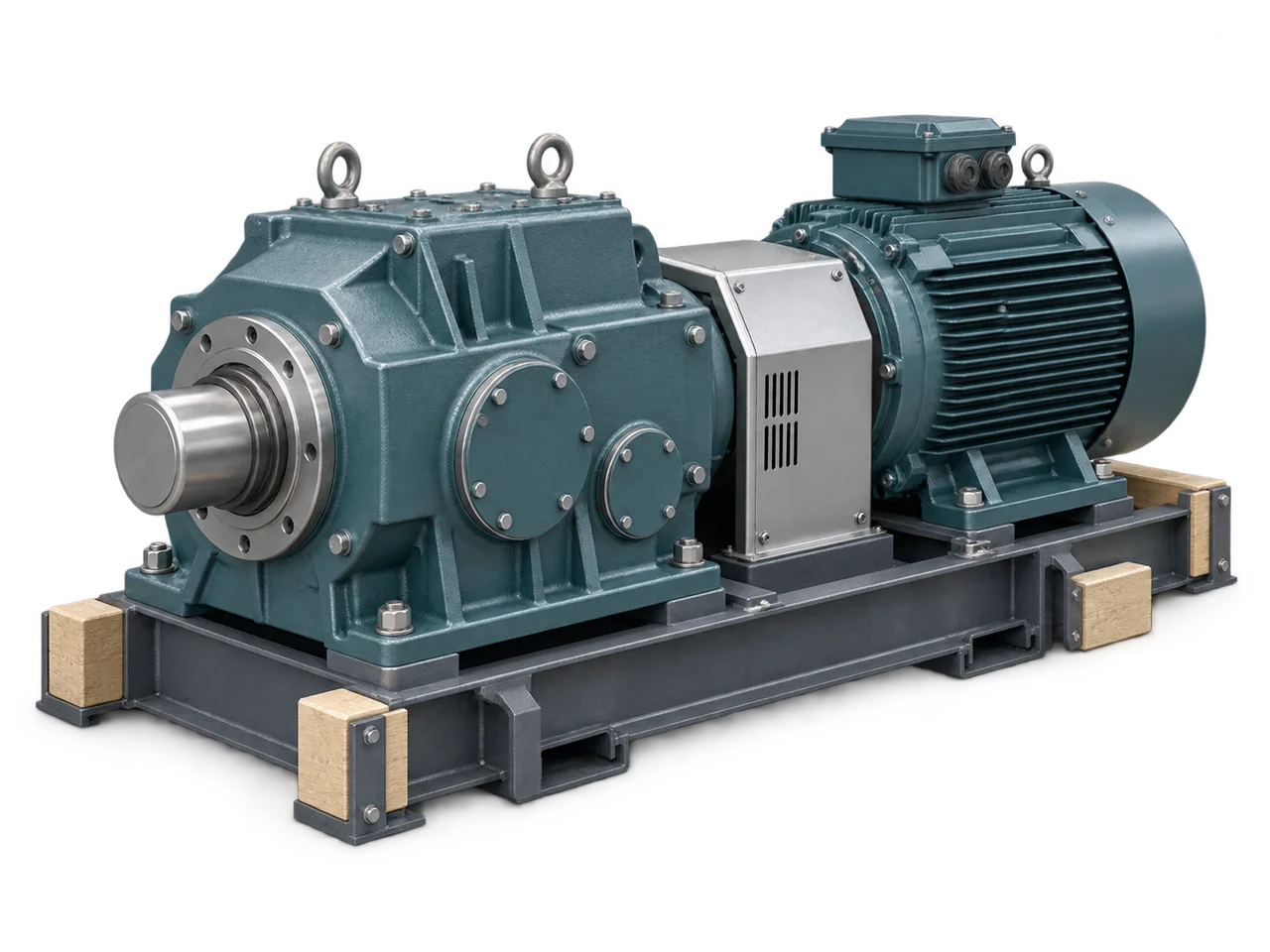
Record length, width, height and weight for each package, including protrusions and restrictions on transport orientation.
Request manufacturer information on the centre of gravity, permitted lifting points and limitations. Pass it to qualified specialists developing plans for the specific operation.
Compare the specification with the assembly, accessory and package lists. Clarify marking and anything that ships separately.
Clarify protection and base requirements with the manufacturer and providers. Request photographs and documents before handover.
Do not wait until arrival to discover narrow gates or missing unloading equipment. Refer site questions to the relevant participants while the equipment is being prepared.
Confirm the address, access, available space and receiving contact.
Identify the provider. Qualified specialists confirm the equipment, loads and sequence of operations.
Compare transport data with carrier offers and handover requirements along the route.
Return agreed shipment-scope, packing, marking and document requirements to the manufacturer.
Our scope is set out in the contract. Coordination helps participants work with shared information, but does not replace their professional decisions or obligations.
The company, situation and outcome are fictional. This illustrates our working approach, not a completed client project.
How a factory's “ready for collection” message became an agreed equipment handover plan.
A materials manufacturer upgrading equipment in its workshop.
In this example, the company ordered an industrial drive from an overseas manufacturer. It needed to collect the assembly and deliver it to the site to replace an existing unit.
The factory reported readiness but supplied an unpacked weight. Some accessories would ship separately, while the receiving site had not confirmed unloading conditions. It was too early to book transport on that basis.
Requested the assembly and accessory list, packing list and photographs. Cross-checked them against the order specification.
Sent transport-configuration, base and lifting-point questions to the manufacturer. Referred unloading conditions to the site's qualified specialists for confirmation.
Compiled confirmed inputs for the logistics provider. Agreed responsibilities, documents and the conditions to be met before cargo release.
Instead of disconnected messages, the customer received an agreed information pack. The factory knows what to prepare, the logistics provider knows what cargo to collect, and the site knows the shipment scope and handover sequence.
Yes. A description, photographs and known parameters are enough for an initial conversation. We identify what to request from the manufacturer. Confirmed transport data is needed to agree a specific shipment.
These activities are not automatically included in coordination. Their scope, provider and responsibilities are agreed separately. If required, raise them before selecting the supply terms.
An initial estimate can be discussed with explicit assumptions. A working proposal depends on transport-configuration data, addresses, site readiness and provider confirmations.
Tell us what needs moving and where. You do not need a complete dossier before contacting us; we start with the information you have.